



Kunt u op maat gemaakte ladeschuifafstandhouders in 3D afdrukken voor reparatie?

De technische benadering van op maat gemaakte afstandhouders voor ladegeleiders
Het is een veelvoorkomende frustratie wanneer een hoogwaardige commode of een op maat gemaakt keukenkastje onbruikbaar blijkt te zijn door een niet meer verkrijgbaar plastic tussenstukje. Bij traditionele reparaties leidt een kapot onderdeel van 50 cent vaak tot vervanging van het complete schuifmechanisme – of erger nog, het hele meubelstuk. Voor veeleisende gebruikers die beschikken over industriële FDM-technologie (Fused Deposition Modeling), vormen deze "onherstelbare" defecten echter een eenvoudige technische uitdaging.
3D-printen is geëvolueerd van een hobbyist tot een hoeksteen van de circulaire economie. Volgens onderzoek gepubliceerd in ScienceDirect over slimme huisintegratie, Additieve productie (AM) is een belangrijke motor voor duurzaam leven. Het maakt snelle prototyping en de creatie van op maat gemaakte componenten mogelijk, waardoor de levensduur van huishoudelijke infrastructuur wordt verlengd. Wanneer je een lade-afstandhouder 3D-print, maak je niet zomaar een onderdeel; je maakt gebruik van een lokale toeleveringsketen voor nauwkeurig onderhoud.
Waarom standaard hobbytekeningen vaak falen bij meubelreparatie
Veel gebruikers proberen hun eerste meubelreparatie uit te voeren met behulp van standaardmethoden.
Op onze reparatiebank zien we regelmatig "kruip"—de neiging van een vast materiaal om langzaam te bewegen of permanent te vervormen onder invloed van aanhoudende mechanische spanningen.
Om professionele resultaten te behalen, moeten de mechanische eigenschappen van het materiaal afgestemd zijn op de specifieke spanningstoestand van de ladegeleider.
Onze aanbeveling voor
- Aanname 1: De lade blijft onder constante belasting (statische compressie).
- Aanname 2: De omgevingstemperatuur in keukens in woonhuizen kan oplopen tot 35-40°C in de buurt van apparaten.
- Randvoorwaarde: Deze analyse sluit laden uit die zware industriële gereedschappen bevatten (>50 kg), waarvoor mogelijk glasvezelversterkte filamenten nodig zijn.
Het juiste materiaal kiezen voor mechanische betrouwbaarheid
Bij functionele reparaties is de keuze doorgaans beperkt tot...
1. PETG De praktische keuze van de professional
- Voordeel:
PETG heeft een superieure kruipweerstand in vergelijking metPLA Het behoudt zijn afmetingen onder het gewicht van een volledig gevulde besteklade zonder na verloop van tijd te vervormen. - Technisch voordeel: Met een Vicat-verwekingstemperatuur van ongeveer 79,7 °C (zoals te zien in
QIDI PETG Basis (specificaties), blijft het stijf in omgevingen waar andere kunststoffen het zouden begeven.
2. ABS /ASA : Voor stabiliteit bij hoge temperaturen
Als het meubelstuk zich in de buurt van een oven bevindt of in een garage zonder klimaatregeling,
Geavanceerde ontwerpprincipes voor ladeafstandhouders
Een succesvolle reparatie draait niet alleen om het materiaal, maar ook om de geometrie. Bij het demonteren van een gebroken afstandsstuk hebben we verschillende valkuilen ontdekt die een functionerend onderdeel onderscheiden van een defect onderdeel.
De afschuiningsliniaal van 1 mm
Een veelgemaakte ontwerpfout is het maken van een afstandsstuk als een perfecte kubus met rechte hoeken. In de praktijk zijn de toleranties bij meubels zelden perfect. Door op alle hoeken een afschuining van 0,5 mm tot 1 mm aan te brengen, wordt het installatieproces aanzienlijk verbeterd. Deze "aanloop" zorgt ervoor dat het afstandsstuk soepel in de krappe toleranties kan schuiven zonder vast te lopen of te blokkeren tegen de metalen geleider.
De perspassingsheuristiek voor bussen
Als u een bus print voor een kogellagergeleiding, modelleer de binnendiameter dan niet exact op de grootte van de as. Op basis van praktijkervaringen met reparaties raden we aan om te printen met een 5-10% te kleine binnendiameter.
- Waarom: Dit zorgt voor een "perspassing"-effect. Naarmate het plastic in de eerste weken van gebruik iets slijt, spant het zichzelf aan, waardoor de speling of trillingen die vaak voorkomen bij oudere ladesystemen verdwijnen.
Demping met TPU
Bij hoogwaardige lades met softclose-systeem kan de afstandhouder ook als trillingsdemper fungeren. In dergelijke gevallen is het gebruik van een flexibel vezelmateriaal zoals TPU effectief.
- Experttip: Bij gebruik van TPU voor demping, gebruik 100% opvulling (geen interne luchtspleten). We hebben vastgesteld dat lagere vulpercentages leiden tot permanente vervorming onder cyclische belasting – het herhaaldelijk openen en sluiten van de lade.
| Parameter | Aanbevolen waarde | Motivering |
|---|---|---|
| Muurlussen | 4 - 6 | Zorgt ervoor dat de belasting wordt gedragen door massief plastic, niet door opvulmateriaal. |
| Invulpatroon | Gyroid of honingraat | Biedt isotrope (in alle richtingen gelijke) drukweerstand. |
| Vullingsdichtheid | >40% | Voorkomt kruipvervorming onder statische belasting. |
| Laaghoogte | 0,2 mm | Optimale balans tussen printsnelheid en oppervlakteafwerking voor een perfecte pasvorm. |
| Bovenste/onderste lagen | 5 | Biedt een dikke "huid" die voorkomt dat schroefkoppen erin doordringen. |
Hardwarevereisten: Waarom de behuizing ertoe doet
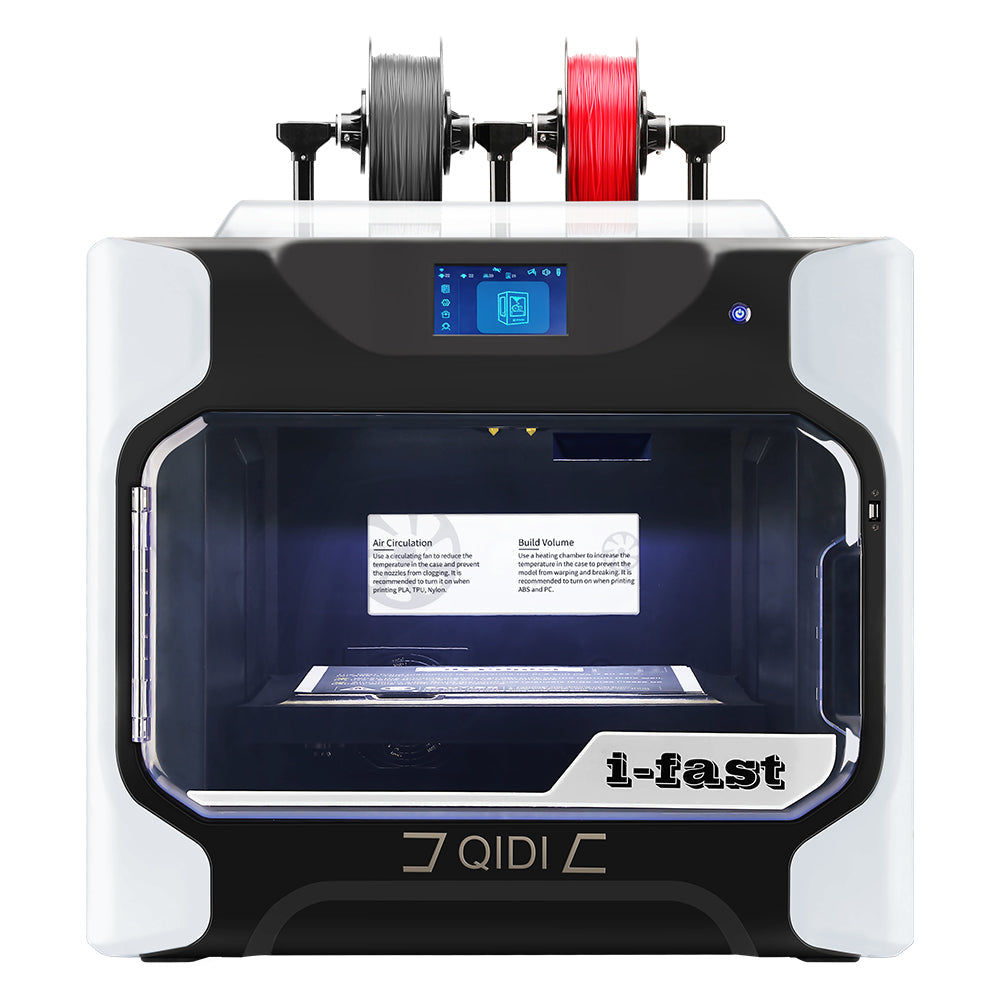
Om deze hoogwaardige materialen betrouwbaar te kunnen printen, moet uw hardware meer kunnen dan alleen plastic smelten. Bijvoorbeeld,

Dit is geen luxe; het is een functionele vereiste voor materialen zoals
Stapsgewijze reparatieprocedure
- Digitale meting: Gebruik een digitale schuifmaat om de opening tussen de ladebak en de kastromp te meten. Vertrouw niet alleen op de gebroken stukken, want die kunnen vervormd zijn.
- Modelleren voor tolerantie: Ontwerp je onderdeel in CAD-software. Als de opening 12 mm is, modelleer de afstandhouder dan op 11,8 mm om rekening te houden met "materiaalzwelling"—de lichte uitzetting van plastic tijdens het extruderen.
- Materiaalvoorbereiding: Zorg ervoor dat uw filament droog is.
PETG Basis Het filament is hygroscopisch, wat betekent dat het vocht uit de lucht absorbeert. Het printen met nat filament leidt tot "bubbels" en een slechte structuur. - Afdrukken: Gebruik een printer zoals de
QIDI Max 4 3D-printers om dimensionale nauwkeurigheid te garanderen. Voor afstandhouders geldt een lagere buitenwandsnelheid (e.g. (40-60 mm/s) verbetert de precisie van de passing. - Installatie & Nabewerking: Als de passing te strak is, gebruik dan fijn schuurpapier om de dikte aan te passen. Als u gebruikmaakt van
PETG Het oppervlak zal van nature glanzend en wrijvingsarm zijn, waardoor de lade soepel beweegt.

De macro-impact: verder dan de lade
De mogelijkheid om thuis hoogwaardige onderdelen te produceren sluit aan bij bredere industriële verschuivingen. Additieve productie verkort de R-tijd aanzienlijk.&D-cycli en het produceren van functionele eindproducten. Door deze principes toe te passen op huisreparaties, neemt u deel aan een geavanceerde vorm van 'microproductie'.
Bovendien, naarmate de industrie zich richt op duurzaamheid, neemt het gebruik van versterkte polymeren toe, zoals koolstofvezelversterkte gerecyclede kunststoffen—komt steeds vaker voor. Dit stelt prosumers in staat om onderdelen te maken die daadwerkelijk sterker dan de originele spuitgegoten exemplaren, die vaak ontworpen zijn met het oog op de laagst mogelijke productiekosten in plaats van maximale levensduur.
Samenvatting van de belangrijkste conclusies
- Materiaalkeuze: Voorkomen
PLA voor mechanische reparaties. GebruikPETG Basis vanwege de balans tussen gebruiksgemak en kruipweerstand, ofABS voor omgevingen met hogere temperaturen. - Ontwerp voor een perfecte pasvorm: Breng afschuiningen van 1 mm aan om vastlopen te voorkomen en gebruik kleinere binnendiameters voor perspassingsbussen.
- Hardware is belangrijk: Gebruik een printer met een behuizing en actieve kamerverwarming, zoals de
QIDI Max 4 3D-printers, om dimensionale stabiliteit in technische kunststoffen te garanderen. - Milieustabiliteit: Houd rekening met de luchtvochtigheid en de warmte in de keuken;
PETG biedt een betere dimensionale stabiliteit danABS in gebieden met een hoge luchtvochtigheid. - Duurzaamheid: Door op maat gemaakte afstandhouders te 3D-printen, wordt voorkomen dat meubels op de vuilstort belanden. Dit bewijst de waarde van de technologie in een duurzaam ecosysteem voor een "slim huis".
Door het repareren van ladegeleiders te benaderen als een technische uitdaging in plaats van een snelle oplossing, kunt u ervoor zorgen dat uw meubels tientallen jaren functioneel blijven, ongeacht of de oorspronkelijke fabrikant de onderdelen nog op voorraad heeft.
Vrijwaring: Dit artikel dient uitsluitend ter informatie. Neem bij reparaties aan zware meubels alle veiligheidsmaatregelen in acht om kantelen of letsel te voorkomen. Controleer altijd of 3D-geprinte onderdelen het beoogde gewicht kunnen dragen voordat u ze volledig gebruikt.
Bronnen
- De technische benadering van op maat gemaakte afstandhouders voor ladegeleiders
- Waarom standaard hobbytekeningen vaak falen bij meubelreparatie
- Het juiste materiaal kiezen voor mechanische betrouwbaarheid
- Geavanceerde ontwerpprincipes voor ladeafstandhouders
- Hardwarevereisten: Waarom de behuizing ertoe doet
- Stapsgewijze reparatieprocedure
- De macro-impact: verder dan de lade
- Samenvatting van de belangrijkste conclusies
- Bronnen
Aanbevolen producten