






Cosa può
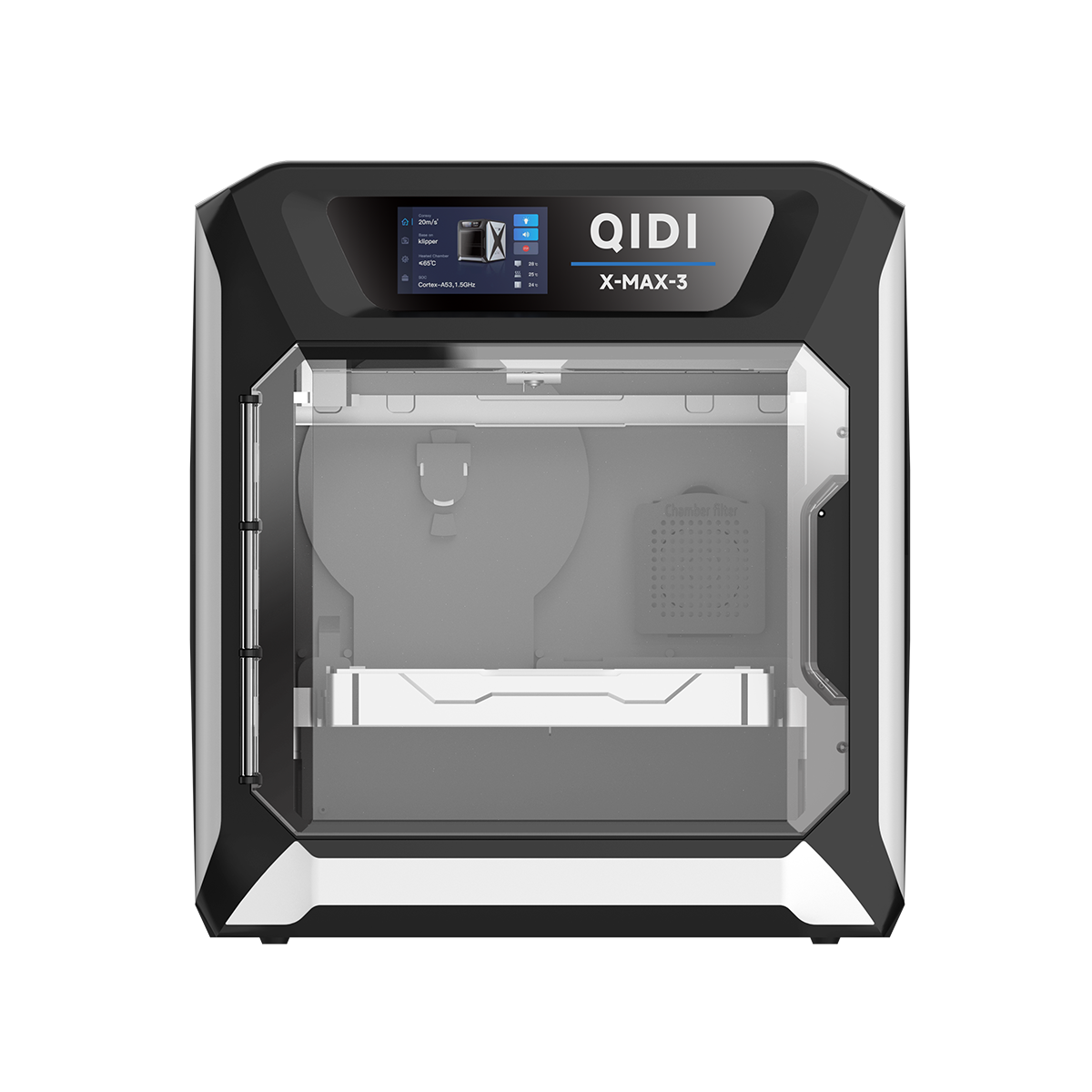
390*390*340 mm Supera i limiti di dimensione e si adatta a tutti gli scenari

@亖葱

@Borderlands

@pulsardesigns
Innovazioni pionieristiche del settore

Come possiamo superare i limiti?
Tutti i filamenti entrano nell'era del riscaldamento a camera
Senza intasamenti, anche in una camera riscaldata
in combinazione con il riscaldamento attivo della camera, garantire che le grandi dimensioni

Ridurre del 90% il problema degli intasamenti.
Estrusori a soffiaggio diretto raffreddati ad aria ad alta efficienza e filamento


Il design della circolazione dell'aria garantisce condizioni ideali per la stampa di vari filamenti

Riscaldamento della camera & Raffreddatore polare acceso
garantire che le grandi dimensioni


Grazie alla corsa Z più breve della sua categoria e alla vite di comando dell'asse Z con passo di 2 mm, offre una precisione senza precedenti. Con il nuovo dado anti-gioco, ogni strato rimane perfettamente allineato.


Ogni centimetro riscaldato — Per la prima volta
Il piano riscaldato entra nell'era del controllo della temperatura di livello industriale.
Il piano riscaldato da 390×390 mm è dotato di uno strato di silicone su tutta la superficie con fitti fili riscaldanti e cotone isolante, che garantisce un calore uniforme, una forte adesione del primo strato e temperature stabili, perfette per stampe di grandi dimensioni senza deformazioni.


Le prestazioni del motore sono state migliorate del 65%, la velocità di stampa è stata aumentata a 800 mm/s e l'accelerazione è stata aumentata a 30.000 mm/s².

Lascia che la tua immaginazione si liberi dai limiti di volume.

Con gola in ceramica e nuovo modulo di dissipazione del calore per ridurre gli intasamenti.
Ugello in acciaio temprato bimetallico per una maggiore durata.

Progettato per esigenze di alte prestazioni

Nuova cinghia personalizzata 1.5GT con maggiore densità di denti per un movimento più fluido e preciso.
Riduce al minimo gli artefatti di frequenza di vibrazione (VFA) per una migliore qualità di stampa.

Un aggiornamento epico in
Stabilità e precisione

Aggiornamento a guida lineare
Mantiene prestazioni e precisione ottimali anche con un utilizzo prolungato.

Telaio interamente in metallo CoreXY
La struttura di movimento complessiva utilizza un telaio e cuscinetti interamente in metallo, garantendo
Superficie liscia di livello ammiraglia


Altri
Nessun offset della sonda, nessuna ipotesi, solo un contatto reale e preciso.
Insensibile alle vibrazioni della superficie del piano di stampa o ambientali, offre una precisione del primo strato senza pari, zero offset e una vera livellatura plug-and-play.

Il touchscreen ad alta definizione e il processore potenziato, combinati con l'interfaccia utente di nuova generazione, offrono un'esperienza d'uso intelligente e intuitiva.

Rileva attivamente i problemi di stampa più comuni, come l'effetto "spaghetti", per garantire la sicurezza della tua stampante.

IL

Il tuo partner personale per i colori


Efficiente nella cattura del 99,5% di polvere e particelle


Nella progettazione della camera vengono utilizzati numerosi materiali ignifughi per garantire la protezione antincendio.


Perché scegliere


Scatena la potenza delle alte temperature
Master Multi-Material
Conseguire risultati di livello industriale


| Dimensioni di stampa (L*P*A) 390*390*340 millimetri | Dimensioni della stampante 558*578*612 millimetri |
| Dimensioni del pacco 700*710*750mm | Peso lordo |
| Peso netto | Temperatura della testina di stampa ≤ 370℃ |
| Tipo di piastra di costruzione inclusaPiastra PEI testurizzata a doppia faccia | Temperatura del letto caldo ≤ 120℃ |
| | Accelerazione ≤30000mm/s² |
| Struttura XY CoreXY, cinghia da 1,5 GT e larghezza 10 mm Motore passo-passo a circuito chiuso FOC | Asse X/Y X: Guida lineare ad alta durezza Y: Alberi lineari in acciaio da 12 mm |
| Asse Z Motori indipendenti con vite senza fine da 2 mm × 2 Alberi lineari in acciaio da 12 mm ×4 | Piattaforma di stampa Letto riscaldato in silicone con piastra in alluminio |
| Ugello Ugello bimetallico | Diametro dell'ugello 0,4 mm (0,2/0,6/0,8 mm opzionale) |
| Ingranaggio dell'estrusore Estrusore diretto Doppi ingranaggi in acciaio temprato | Filamento supportato |
| Diametro del filamento 1,75 mm | Stampa multicolore Compatibile con |
| Filtro dell'aria Sì (filtro aria 3 in 1: prefiltro G3 + H12 HE) | Temperatura della camera (riscaldatore PTC)Riscaldamento indipendente della camera fino a 65° C di terza generazione |
| Livellamento automatico Livellamento automatico a mani libere (Sensore della cella di carico integrato nell'hotend) | Rilevamento del filamento Sensore di esaurimento (montato sopra l'estrusore) Rilevamento grovigli ( |
| Rilevamento della telecamera AI SÌ | Ventola di raffreddamento della parte ausiliaria Ventola PWM a 4 pin con feedback RPM |
| Ventola di raffreddamento dell'estremità calda Ventola PWM a 4 pin con feedback RPM | Modello ventola di raffreddamento Ventola PWM a 4 pin con feedback RPM |
| Raffreddatore dell'estrusore Sì (richiesto Polar Cooler) | LED RGB di stato SÌ |
| Recupero della perdita di potenza: SÌ | Modellazione dell'input SÌ |
| Voltaggio 110 V/220–240 V CA, 50/60 Hz (disponibili modelli specifici per regione) | Potenza nominale 150W+500W (riscaldamento della camera)+700W (riscaldamento del letto) |
| Telecamera Fotocamera (fino a 1080P) Timelapse supportato | Magazzinaggio Unità flash EMMC da 32 GB e USB 2.0 |
| Connettività 2.Wi-Fi 4GHz/5GHz, Ethernet, USB | Schermo di visualizzazione Schermo touch da 5 pollici 800*480 |
| Affettatrice | Formati di file per l'affettatura STL, OBJ, 3MF,STEP,STP, ecc. |