



10 semplici progetti di stampa 3D per bambini in occasione della Giornata dei bambini 2026

La Giornata dei bambini 2026 arriverà il 1° giugno., Molti genitori sono già alla ricerca di un'attività divertente, significativa e facile da organizzare. La stampa 3D offre ai bambini la possibilità di trasformare le loro idee in oggetti reali, da targhette personalizzate e animaletti da scrivania a puzzle, giocattoli antistress e decorazioni per la cameretta. Con il progetto giusto, la Giornata dei Bambini può diventare un momento creativo e pratico che i bambini ricorderanno a lungo anche dopo aver terminato la stampa.
Perché la stampa 3D è un'attività significativa per la Giornata dei bambini
Ai bambini piace creare cose che possono tenere in mano, modificare e mostrare agli altri. Ecco perché Progetti di stampa 3D per bambini funzionerà benissimo per la Giornata dei bambini 2026. Questo processo unisce l'immaginazione alla risoluzione di problemi concreti. I bambini possono scegliere una forma, un colore, un nome, un animale o un tema, e poi vedere la loro idea trasformarsi in un oggetto fisico.
Questo tipo di attività supporta anche precocemente Apprendimento STEM In modo naturale. Un cartellino con il nome insegna le dimensioni, la spaziatura e il posizionamento delle lettere. Un puzzle insegna l'abbinamento delle forme e la logica. Un animaletto da scrivania o un robot aiutano i bambini a pensare all'equilibrio, alla struttura e alla narrazione.
Come scegliere progetti di stampa 3D adatti ai bambini
Per la Giornata dei bambini, scegliete progetti che si stampino velocemente, che siano personali e che non richiedano dettagli fragili o assemblaggi complicati. I bambini dovrebbero avere qualcosa di chiaro da decidere, come il colore, il nome, l'animale, la forma o il tema, mentre gli adulti configurazione della stampante e controlli di sicurezza.
| Cosa controllare | Scelta migliore |
| Tempo di stampa | Da 30 minuti a 3 ore |
| Forma | Bordi arrotondati e forme robuste |
| Misurare | Pezzi più grandi per i bambini più piccoli. |
| Materiale | |
| Livello di competenza | Modelli semplici monopezzo |
| la santità | Nomi, iniziali, colori, animali, icone |
10 semplici progetti di stampa 3D per bambini
Le seguenti idee sono pratiche per famiglie, classi e piccoli artigiani principianti. Sono abbastanza semplici da poter essere proposte come attività per la Giornata dei Bambini, ma ognuna offre comunque ai bambini la possibilità di personalizzare il risultato. Utilizzate la tabella sottostante per scegliere un progetto in base all'età, alla difficoltà e al ruolo del bambino.
| Progetto | Ideale per | Difficoltà | Ruolo del bambino |
| Targhette nominative | Dai 5 anni in su | Facile | Scegli nome, colore, icona |
| Animali da scrivania | Dai 6 anni in su | Facile | Scegli la creatura e la personalità |
| Mini robot | Dai 7 anni in su | Da facile a medio | Scegli lo stile del corpo e la storia |
| Figure di animali | Dai 5 anni in su | Facile | Scegli la tua creatura preferita |
| Pezzi del puzzle | Dai 5 anni in su | Facile | Test di corrispondenza della forma |
| Cappucci per matite | Dai 6 anni in su | Facile | Scegli il tema del materiale scolastico |
| Giocattoli antistress | Dai 8 anni in su | Mezzo | Testare il movimento e il comfort |
| Pezzi di gioco | Dai 6 anni in su | Facile | Crea gettoni per giochi di famiglia |
| Arredamento della stanza | Dai 7 anni in su | Da facile a medio | Scegli il tema della stanza |
| Accessori per giocattoli | Dai 7 anni in su | Mezzo | Risolvere un problema del mondo dei giocattoli |
Progetto 1: Targhette personalizzate con il nome per zaini o scrivanie
Le targhette personalizzate sono una delle più facili progetti di stampa 3D per principianti Per bambini. Sono piccoli, utili e personalizzabili. I bambini possono scegliere il loro nome, soprannome, iniziali, colore preferito o una semplice icona come una stella, un cuore, un pallone da calcio, un dinosauro o un razzo.
Per i bambini più piccoli, i genitori possono preparare il disegno e lasciare che il bambino scelga i dettagli. I bambini più grandi possono aiutare a selezionare il carattere, il bordo e la forma dell'etichetta. Aggiungete un foro se l'etichetta deve essere appesa alla cerniera di uno zaino o a un portachiavi. Le etichette lisce e arrotondate sono le più adatte all'uso quotidiano.
Progetto 2: Animali da scrivania progettati dai bambini
Le "creature da scrivania" sono piccole figure stampate che possono essere posizionate su una scrivania, una mensola o un comodino. I bambini possono creare una minuscola tartaruga, un drago, un gatto, un mostro gelatinoso, una rana o una creatura fantastica. Queste stampe sono solitamente semplici, ma risultano comunque speciali perché i bambini possono dare loro un nome e una personalità.
Questo progetto è perfetto per i bambini che amano raccontare storie. Dopo aver stampato, chiedete al bambino dove vive l'animaletto da scrivania, cosa gli piace e che lavoro fa. Un piccolo oggetto può diventare uno spunto per la scrittura creativa, un premio per la classe o un compagno personale per la scrivania.

Progetto 3: Mini robot per il gioco di fantasia
I mini robot sono perfetti per i bambini appassionati di scienza, spazio, costruzioni o missioni immaginarie. Un robot semplice può avere un corpo quadrato, occhi rotondi, braccia corte e piedi robusti. La forma è facile da comprendere e più semplice da stampare rispetto a figure d'azione altamente dettagliate.
I bambini possono personalizzare il robot con un numero, un distintivo, le iniziali o un tema di colore. Un bambino potrebbe desiderare un robot aiutante per i compiti. Un altro potrebbe creare una piccola squadra di robot per avventure spaziali. Questo progetto può anche introdurre concetti come simmetria, equilibrio e semplici nozioni di meccanica.
Progetto 4: Figure di animali ispirate alle creature preferite dai bambini
Le figure animali sono forti Giocattoli stampati in 3D per bambini perché la maggior parte dei bambini ha già degli animali preferiti. Cani, conigli, squali, panda, rane, elefanti, dinosauri e creature marine sono tutti ottimi modelli semplici.
Scegliete modelli di animali robusti con corpi arrotondati e zampe più spesse. Code sottili, corna minuscole e ali delicate potrebbero rompersi durante il gioco. I genitori possono rendere il progetto educativo collegando l'animale a una breve attività di apprendimento.Dopo aver stampato, i bambini possono imparare dove vive l'animale, cosa mangia e come si muove.
Progetto 5: Semplici pezzi di puzzle per l'apprendimento pratico
I pezzi del puzzle sono Stampa 3D Divertitevi imparando, senza che diventi un compito a casa. I bambini più piccoli possono usare grandi puzzle di forme da abbinare, con cerchi, triangoli, stelle e quadrati. I bambini più grandi possono divertirsi con puzzle dell'alfabeto, puzzle numerici, pezzi di mappe o giochi di abbinamento.
I puzzle aiutano i bambini a mettere alla prova le proprie idee con le mani. Se un pezzo non si incastra, possono osservarne la forma e provare una nuova posizione. Questo piccolo momento insegna la pazienza e la capacità di risolvere i problemi visivamente. Per motivi di sicurezza, è importante che i pezzi siano grandi, lisci e facili da impugnare.
Progetto 6: Decorazioni per matite per la scuola creativa
Decorare le matite con i cappucci è facile, divertente e pratico. Permette di personalizzare gli oggetti scolastici più comuni, un'idea perfetta per i bambini che amano decorare banchi, zaini o astucci. Tra i temi più gettonati ci sono stelle, animali, simboli sportivi, forme di frutta, iniziali e semplici faccine di personaggi dei cartoni animati.
La taglia è il dettaglio principale da verificare. Il foro deve adattarsi alla matita senza essere né troppo largo né troppo stretto. Se la prima stampa necessita di modifiche, i bambini possono imparare una semplice lezione sulle misure. I cappucci per matite sono anche un'ottima idea come regalini per la classe in occasione della Giornata dei bambini 2026.
Progetto 7: Giocattoli antistress per il gioco interattivo
I giocattoli antistress possono essere una scelta divertente per i bambini più grandi, a patto che il design sia robusto e adatto alla loro età. Semplici anelli girevoli, forme attorcigliabili, animali flessibili e oggetti con diverse texture da tenere in mano possono offrire ai bambini qualcosa di appagante da muovere, tenere in mano o provare.
I genitori dovrebbero controllare la stampa finale prima di consegnarla al bambino. Verifica la presenza di bordi irregolari, giunture deboli o piccole parti che potrebbero spezzarsi. I giocattoli antistress offrono ai bambini anche l'opportunità di confrontare il movimento di forme diverse. Chiedete loro quale risulta più fluido, più resistente o più facile da tenere in mano.
Progetto 8: Mini-pezzi per giochi da tavolo per famiglie
Le pedine personalizzate possono trasformare la serata di giochi in famiglia in un momento speciale per festeggiare la Giornata dei Bambini. I bambini possono stampare pedine a forma di animali, razzi, corone, macchine, stelle o piccoli mostri. Ogni membro della famiglia può avere una pedina personalizzata.
Questo progetto è semplice ma gratificante perché i bambini possono utilizzare subito le stampe. È perfetto anche per gruppi di homeschooling, classi scolastiche e club di hobbistica. Per i bambini più piccoli, assicuratevi che i pezzi siano abbastanza grandi da poter essere maneggiati in sicurezza. Per i bambini più grandi, lasciate che progettino un tema completo per l'intero set di gioco.
Progetto 9: Decorazioni per la stanza che i bambini possono personalizzare
Le decorazioni per la cameretta sono ideali per i bambini che amano l'arte, i colori e lo spazio personale. Tra le idee più semplici per la stampa 3D troviamo targhette per la porta, stelle da parete, forme a luna, nuvole, mini vasi, icone per mensole, cornici per interruttori della luce e targhette con il nome.
I disegni piatti o semipiatti sono spesso più facili da stampare e da esporre. I bambini possono scegliere un tema che si abbini alla loro stanza, poi dipingere o decorare i pezzi stampati. Questo progetto offre ai bambini un ricordo duraturo della giornata e li aiuta ad essere orgogliosi del proprio spazio.
Progetto 10: Accessori per giocattoli per bambole, auto o personaggi già esistenti
Gli accessori per giocattoli sono particolarmente utili perché danno nuova vita ai giocattoli che i bambini già possiedono. Un bambino potrebbe stampare una sedia per una bambola, una rampa per le macchinine, un piccolo casco per un personaggio, una recinzione per gli animali o un'insegna per un negozio immaginario.
Questo progetto incoraggia il pensiero pratico. Chiedete al bambino di cosa ha bisogno nel suo mondo dei giocattoli, quindi scegliete un accessorio semplice che soddisfi tale esigenza. Gli adulti devono misurare attentamente se il pezzo stampato deve adattarsi a un giocattolo già esistente. Evitate oggetti destinati al contatto con gli alimenti, al contatto con la bocca o all'uso da parte dei neonati, a meno che non siano confermati i materiali e gli standard di sicurezza appropriati.

Consigli di sicurezza per la stampa 3D con i bambini
- Lasciate che siano gli adulti a utilizzare la stampante. I bambini possono aiutare a scegliere il modello, il colore, il nome e le decorazioni, ma gli adulti devono occuparsi dell'installazione, della stampa, della rimozione e delle impostazioni della macchina.
- Tenere i bambini lontani dalle parti calde. L'ugello e il piano riscaldato possono diventare molto caldi. I bambini non devono toccare la stampante mentre si sta riscaldando, stampando o raffreddando.
- Stampa in un'area ben ventilata.
PLA È una pratica comune per i progetti di stampa 3D per principianti, ma la ventilazione rimane comunque importante con qualsiasi materiale di stampa. - Prima dell'uso, controlla la stampa finale. Elimina bordi ruvidi, giunture deboli o angoli appuntiti prima di dare l'oggetto a un bambino.
- Evitate parti piccole o fragili destinate ai bambini più piccoli. Scegli modelli più grandi, lisci e robusti, soprattutto per i bambini. che potrebbero mettere piccoli oggetti in bocca.
Perché una stampante 3D affidabile semplifica i progetti familiari
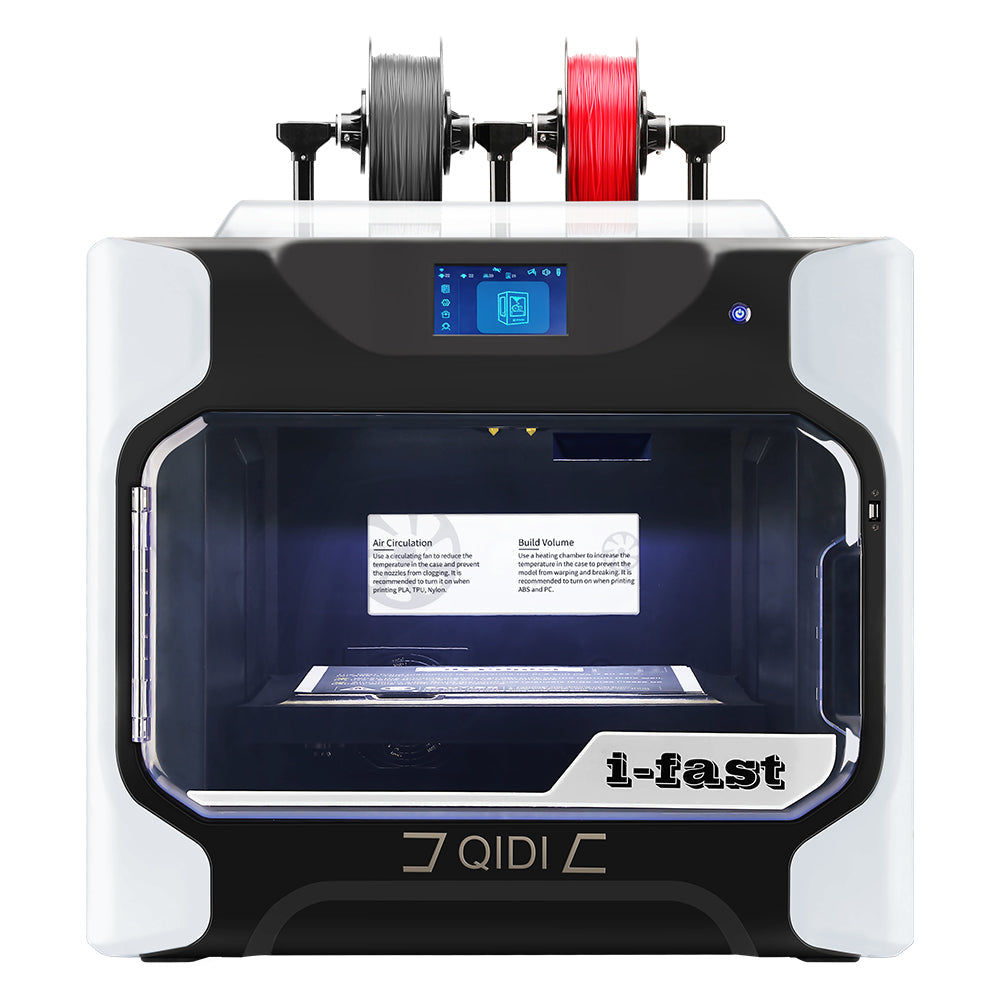
I progetti per famiglie e per la scuola spesso prevedono piccoli componenti, stampe ripetute e bambini in attesa del risultato finale. Una stampante con un'adesione stabile del primo strato, procedure di configurazione chiare e un controllo preciso della temperatura può ridurre i fallimenti di stampa e semplificare l'attività.
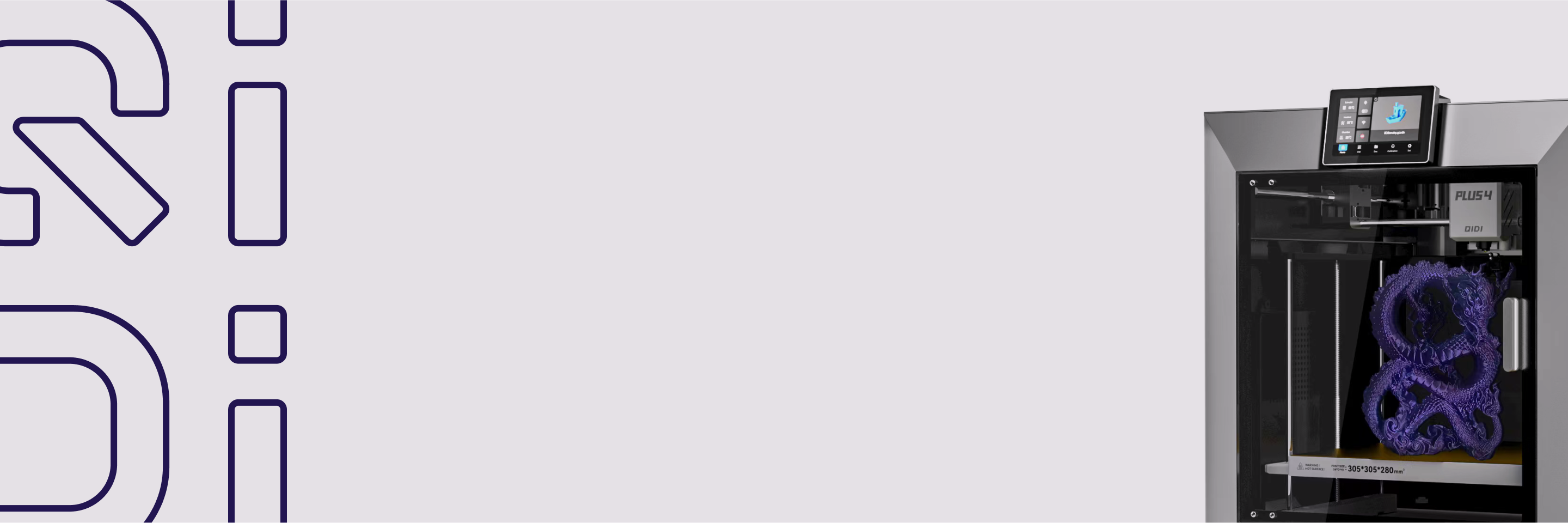
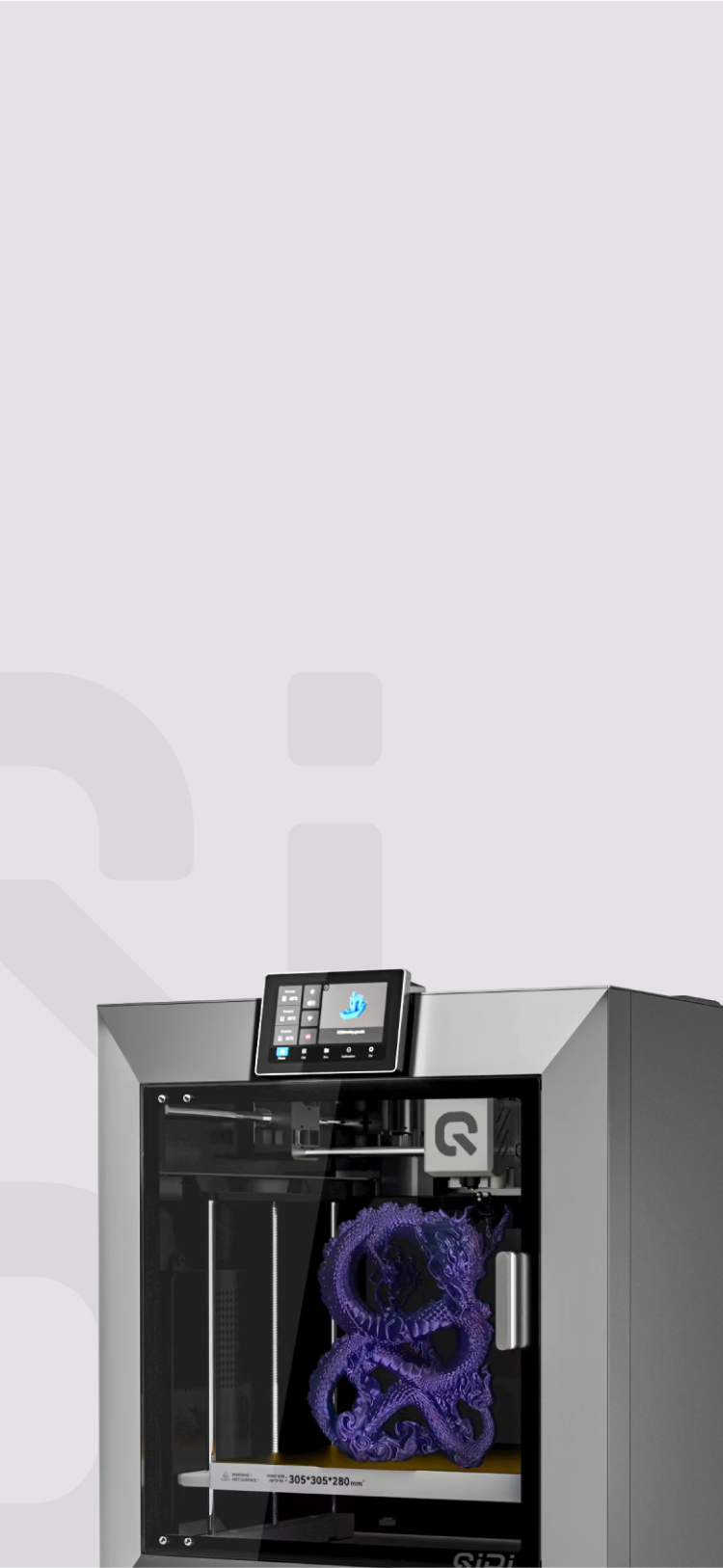
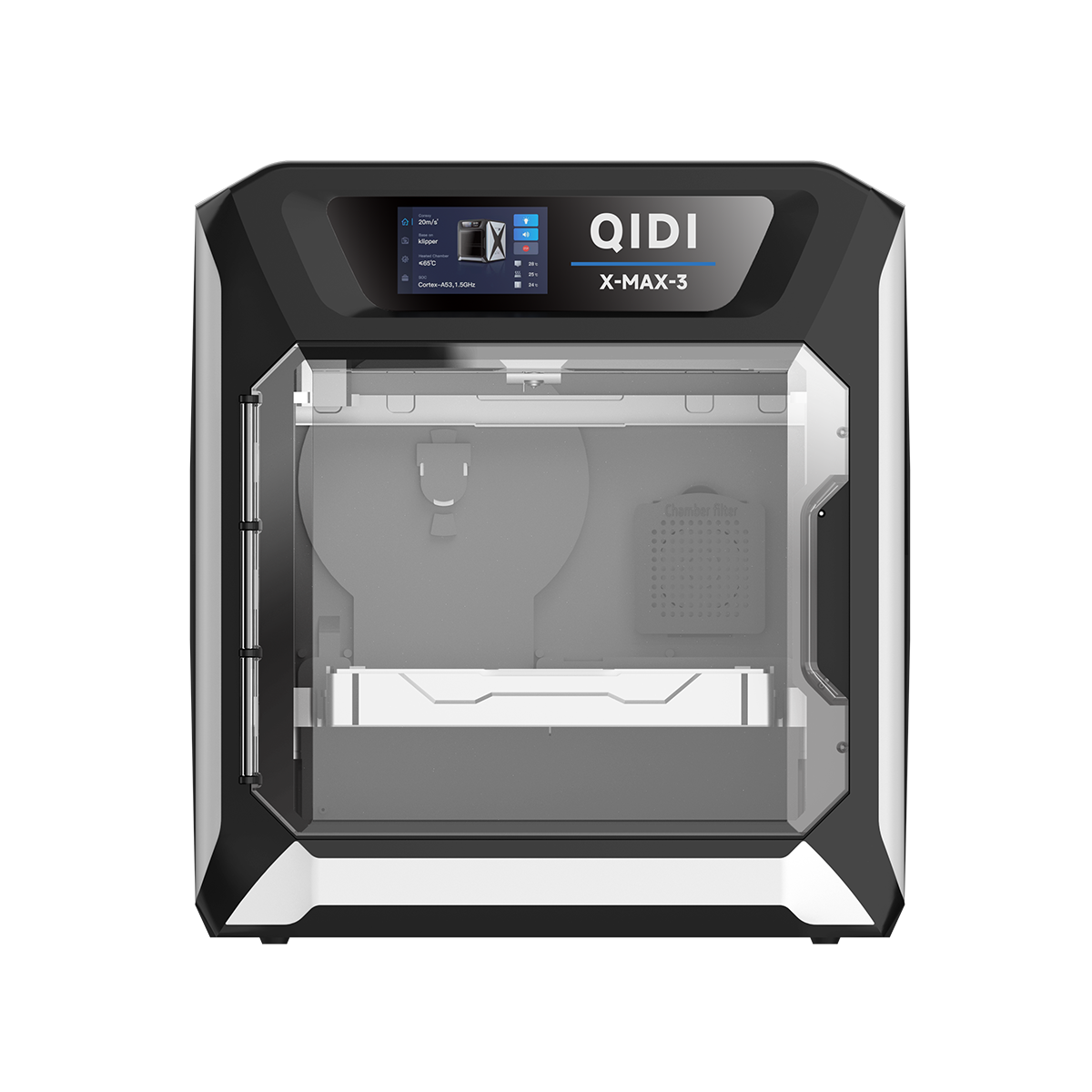
Per i progetti dedicati alla Giornata dei bambini, un volume di stampa più ampio risulta particolarmente utile. Offre a genitori e insegnanti più spazio per stampare in un'unica sessione diverse etichette con i nomi, pedine per giochi, decorazioni per matite o decorazioni per la stanza. Il supporto multicolore, inoltre, può rendere i disegni dei bambini più personali, soprattutto per progetti come animaletti da scrivania, robot, cartelli per la porta e statuette di animali.
Per le famiglie, le scuole o gli spazi di creazione che prevedono di stampare spesso, il
Rendi la Giornata dei bambini 2026 più creativa con la stampa 3D!
La Giornata dei bambini del 2026 è un'ottima occasione per regalare ai più piccoli un'esperienza creativa indimenticabile. Un'etichetta con il nome stampata in 3D, un puzzle, un animaletto da scrivania, un pezzo di un gioco o una decorazione per la cameretta possono essere piccoli, ma il processo insegna il pensiero progettuale, la pazienza e l'orgoglio di creare qualcosa di reale.
Scegliete un progetto adatto all'età, alla capacità di attenzione e agli interessi del bambino. Lasciate che i bambini guidino le scelte creative, poi lasciate che gli adulti si occupino degli aspetti tecnici e di sicurezza. Con il progetto giusto, Stampa 3D può trasformare il 1° giugno in una piacevole attività familiare ricca di immaginazione, apprendimento e qualcosa di significativo da conservare.
Domande frequenti sui progetti di stampa 3D per bambini in occasione della Giornata dei bambini.
D1. I bambini possono progettare i propri modelli per la stampa 3D?
Sì, i ragazzi più grandi possono progettare modelli semplici con strumenti adatti ai principianti come Tinkercad. Iniziate con forme geometriche di base come cerchi, quadrati, lettere e fori. I bambini più piccoli possono disegnare le loro idee su carta, mentre gli adulti le trasformano in disegni stampabili.
Q2 Dove possono i genitori trovare file per la stampa 3D adatti ai bambini?
I genitori possono utilizzare librerie di modelli affidabili con filtri per principianti, giocattoli, materiale didattico o stampe senza supporti. Cercate modelli con foto chiare, creazioni recenti degli utenti e istruzioni di stampa semplici. Evitate file con parti taglienti, pezzi minuscoli o licenze poco chiare.
D3. Le stampe 3D per la Giornata dei bambini necessitano di supporti?
Non sempre. Per i progetti dei bambini, i modelli senza supporto o con supporto ridotto sono generalmente migliori perché sono più facili da rimuovere e hanno meno probabilità di lasciare segni evidenti. Cartelli con retro piatto, targhette con i nomi, animali semplici e gettoni sono ottime scelte.
Q4.I bambini possono dipingere i progetti stampati in 3D dopo la stampa?
Sì, dipingere è un'ottima attività post-stampa. La pittura acrilica funziona bene su molti
D5. Come possono gli insegnanti utilizzare questi progetti in classe?
Gli insegnanti possono trasformare un singolo disegno in un'attività di gruppo, permettendo a ogni studente di personalizzare un nome, un colore, un'icona o un tema. Stampare in blocco prima della lezione consente di risparmiare tempo. Le stampe finite possono essere utilizzate per supportare lezioni di misurazione, progettazione, narrazione o risoluzione di problemi.
- Perché la stampa 3D è un'attività significativa per la Giornata dei bambini
- Come scegliere progetti di stampa 3D adatti ai bambini
- 10 semplici progetti di stampa 3D per bambini
- Progetto 1: Targhette personalizzate con il nome per zaini o scrivanie
- Progetto 2: Animali da scrivania progettati dai bambini
- Progetto 3: Mini robot per il gioco di fantasia
- Progetto 4: Figure di animali ispirate alle creature preferite dai bambini
- Progetto 5: Semplici pezzi di puzzle per l'apprendimento pratico
- Progetto 6: Decorazioni per matite per la scuola creativa
- Progetto 7: Giocattoli antistress per il gioco interattivo
- Progetto 8: Mini-pezzi per giochi da tavolo per famiglie
- Progetto 9: Decorazioni per la stanza che i bambini possono personalizzare
- Progetto 10: Accessori per giocattoli per bambole, auto o personaggi già esistenti
- Consigli di sicurezza per la stampa 3D con i bambini
- Perché una stampante 3D affidabile semplifica i progetti familiari
- Rendi la Giornata dei bambini 2026 più creativa con la stampa 3D!
- Domande frequenti sui progetti di stampa 3D per bambini in occasione della Giornata dei bambini.
- D1. I bambini possono progettare i propri modelli per la stampa 3D?
- Q2Dove possono i genitori trovare file per la stampa 3D adatti ai bambini?
- D3. Le stampe 3D per la Giornata dei bambini necessitano di supporti?
- Q4.I bambini possono dipingere i progetti stampati in 3D dopo la stampa?
- D5. Come possono gli insegnanti utilizzare questi progetti in classe?
Prodotti consigliati