






O que pode
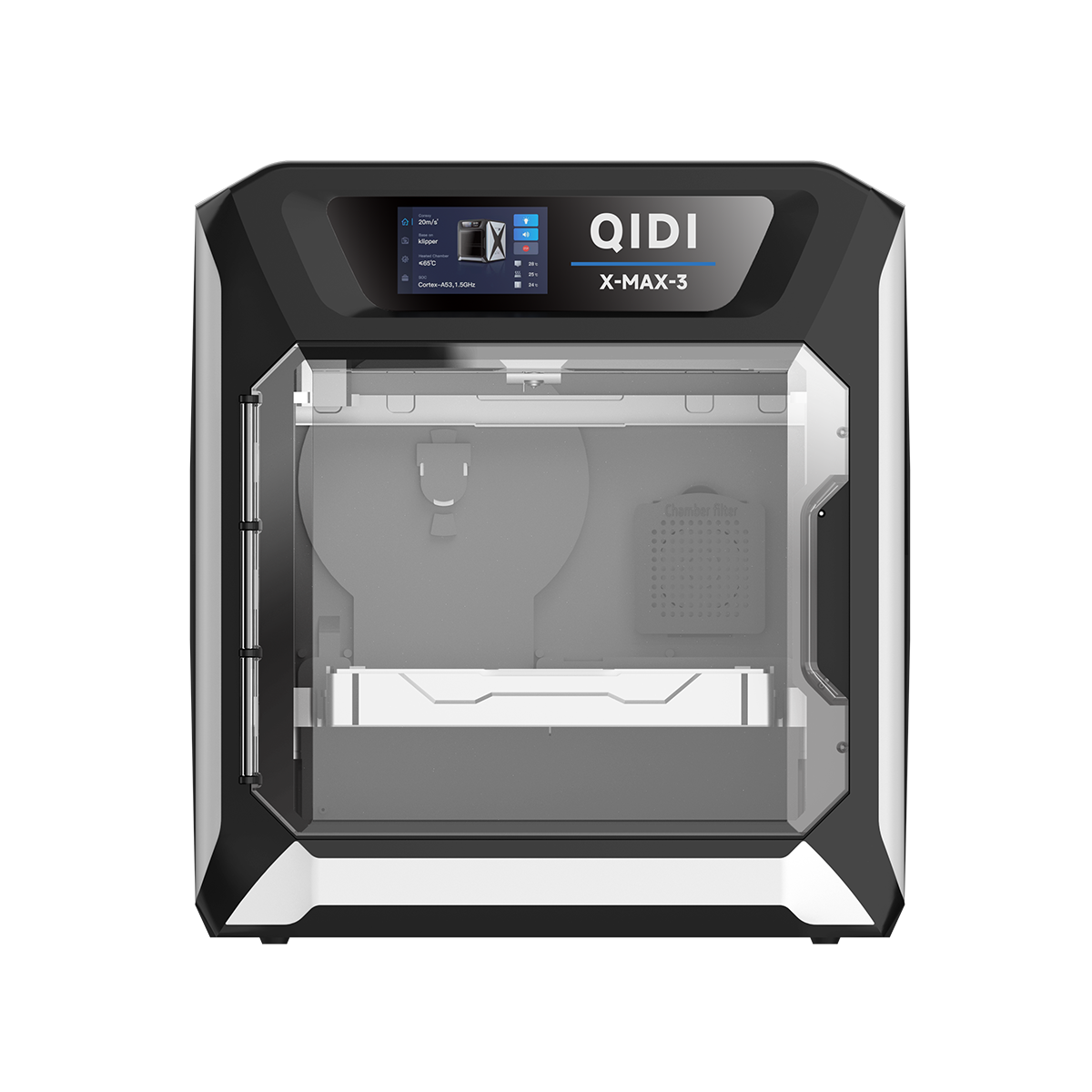
390*390*340mm Ultrapasse o limite de tamanho e utilize em todos os cenários.

@亖葱

@Borderlands

@pulsardesigns
Inovações pioneiras no setor

Como rompemos os limites?
Todos os filamentos entram na era do aquecimento por câmara.
Sem entupimentos, mesmo em câmaras aquecidas.
Em combinação com o aquecimento ativo da câmara, garantem que grandes dimensões

Reduza o problema de entupimento em 90%
Extrusoras de sopro direto refrigeradas a ar de alta eficiência e filamentos


O design de circulação de ar garante condições ideais para a impressão de diversos filamentos.

Aquecimento da câmara & Resfriador Polar LIGADO
garantir que o tamanho grande


Com o menor curso no eixo Z da sua classe e um parafuso de eixo Z com passo de 2 mm, oferece uma precisão sem precedentes. Graças à nova porca antirrecuo, cada camada permanece perfeitamente alinhada.


Cada centímetro aquecido — pela primeira vez
Camas aquecidas entram na era do controle de temperatura de nível industrial.
A mesa aquecida de 390×390 mm possui uma camada de silicone em toda a superfície com fios de aquecimento densos e algodão isolante, garantindo calor uniforme, forte adesão da primeira camada e temperaturas estáveis — perfeita para impressões grandes e sem deformação.


O desempenho do motor foi aprimorado em 65%, e a velocidade de impressão foi aumentada para 800 mm/s. A aceleração foi aumentada para 30.000 mm/s².

Deixe sua imaginação se libertar das limitações de espaço.

Com garganta de cerâmica e novo módulo de dissipação de calor para reduzir o entupimento.
Bocal bimetálico em aço temperado para maior durabilidade.

Projetado para atender a exigências de alto desempenho.

Nova correia personalizada 1.5GT com maior densidade de dentes para um movimento mais suave e preciso.
Minimiza artefatos de frequência de vibração (VFA) para melhor qualidade de impressão.

Uma atualização épica em
Estabilidade e Precisão

Atualização para trilho guia linear
Mantém um desempenho estável e preciso mesmo após uso prolongado.

CoreXY Full Metal Frame
A estrutura geral do mecanismo utiliza uma estrutura e rolamentos totalmente metálicos, proporcionando...
Superfície lisa de nível premium


Outros
Sem desvio de sonda, sem palpites, apenas contato real e preciso.
Imune às vibrações da superfície da mesa ou do ambiente, oferece precisão incomparável na primeira camada, deslocamento zero e nivelamento verdadeiramente plug-and-play.

A tela sensível ao toque de alta definição e o processador potente atualizado, combinados com a nova geração de design de interface do usuário, proporcionam uma experiência de operação inteligente e intuitiva.

Detecte ativamente problemas comuns de impressão, como o padrão "espaguete", para garantir a segurança da sua impressora.

O

Seu parceiro pessoal de cores


Altamente eficiente na captura de 99,5% da poeira e partículas.


Utiliza muitos materiais retardantes de chamas no projeto da câmara para proporcionar proteção contra incêndios.


Por que escolher?


Libere o poder das altas temperaturas
Mestre Multimaterial
Entregar resultados de nível industrial


| Tamanho de impressão (L*P*A) 390*390*340 mm | Dimensões da impressora 558*578*612 mm |
| Dimensões da embalagem 700*710*750mm | Peso bruto |
| Peso líquido | Temperatura da cabeça de impressão ≤ 370℃ |
| Tipo de placa de construção incluídaPlaca de PEI texturizada de dupla face | Temperatura da cama quente ≤ 120℃ |
| | Aceleração ≤30000mm/s² |
| Estrutura XY Correia CoreXY, 1.5GT, 10mm de largura Motor de passo de circuito fechado FOC | Eixo X/Y X: Trilho guia linear de alta dureza Eixo Y: Eixos lineares de aço de 12 mm |
| Eixo Z Motores independentes de fuso de esferas de 2 mm ×2 Eixos lineares de aço de 12 mm (4 unidades) | Plataforma de impressão Cama aquecida de silicone com placa de alumínio |
| Bocal Bocal bimetálico | Diâmetro do bocal 0,4 mm (0,2/0,6/0,8 mm opcional) |
| Engrenagem da extrusora Extrusora Direta Engrenagens duplas de aço temperado | Filamento suportado |
| Diâmetro do filamento 1,75 mm | Impressão multicolorida Compatível com |
| Filtro de ar Sim (Filtro de ar 3 em 1: Pré-filtro G3 + H12 HE) | Temperatura da câmara (aquecedor PTC)3ª geração, aquecimento independente da câmara até 65 °C |
| Nivelamento automático Nivelamento automático sem usar as mãos (Sensor de célula de carga integrado ao hotend) | Detecção de filamentos Sensor de fim de curso (montado acima da extrusora) Detecção de emaranhados ( |
| Detecção de câmera por IA Sim | Ventilador de resfriamento da peça auxiliar Ventoinha PWM de 4 pinos com feedback de RPM |
| Ventoinha de resfriamento do hotend Ventoinha PWM de 4 pinos com feedback de RPM | Ventilador de resfriamento do modelo Ventoinha PWM de 4 pinos com feedback de RPM |
| Resfriador da extrusora Sim (necessário refrigerador Polar) | LED RGB de status Sim |
| Recuperação de perda de energia: Sim | Modelagem de entrada Sim |
| Tensão 110V/220–240V CA, 50/60Hz (modelos específicos para cada região disponíveis) | Potência nominal 150W + 500W (Aquecimento da câmara) + 700W (Aquecimento da cama) |
| Câmera Câmera (até 1080p) com suporte para timelapse | Armazenar Pen drive de 32 GB com eMMC e USB 2.0 |
| Conectividade 2.Wi-Fi de 4 GHz/5 GHz, Ethernet, USB | Tela de exibição Tela sensível ao toque de 5 polegadas com resolução de 800*480 |
| Fatiador | Formatos de arquivo para fatiamento STL, OBJ, 3MF, STEP, STP, etc. |