






¿Qué puede
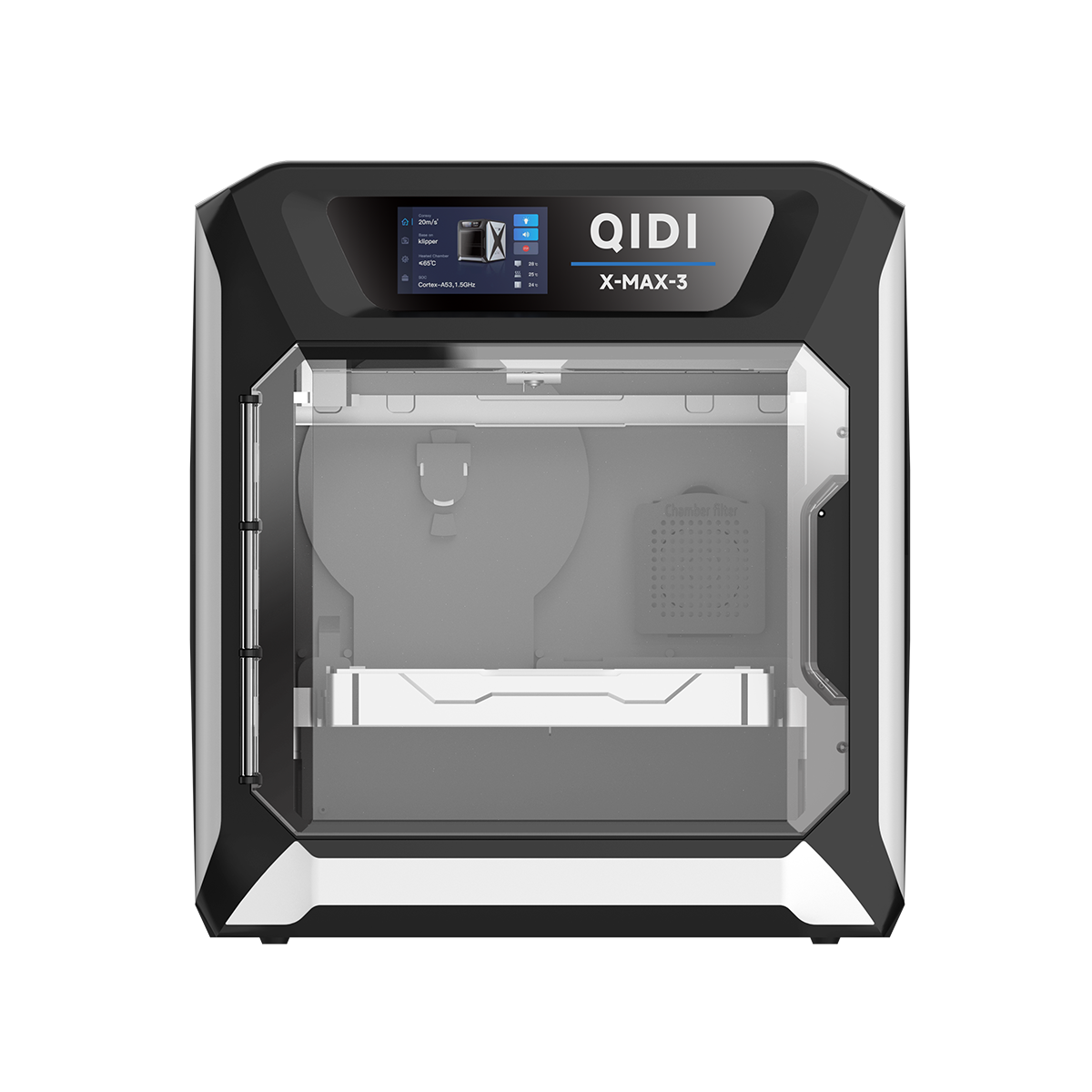
390*390*340 mm. Rompe el límite de tamaño y úsalo en cualquier situación.

@亖葱

@Borderlands

@pulsardesigns
Innovaciones pioneras en la industria de

¿Cómo rompemos los límites?
Todos los filamentos entran en la era del calentamiento por cámara.
Sin obstrucciones, incluso en una cámara caliente.
en combinación con el calentamiento activo de la cámara, asegura que los de gran tamaño

Reduce la situación de obstrucción en un 90%.
Extrusoras de soplado directo refrigeradas por aire y filamento de alta eficiencia


El diseño de circulación de aire garantiza las condiciones ideales para imprimir con diversos filamentos.

Calefacción de la cámara & Enfriador polar encendido
asegurar que los de gran tamaño


Con el recorrido Z más corto de su clase, husillo del eje Z con paso de 2 mm, que ofrece una precisión sin precedentes. Gracias a la nueva tuerca antibalanceo, cada capa permanece perfectamente alineada.


Cada centímetro calentado — Por primera vez
La cama caliente entra en la era del control de temperatura de grado industrial.
La base calefactable de 390 × 390 mm cuenta con una capa de silicona de superficie completa con cables calefactores densos y algodón aislante, lo que garantiza un calor uniforme, una fuerte adhesión de la primera capa y temperaturas estables, perfectas para impresiones grandes y sin deformaciones.


El rendimiento del motor se ha mejorado en un 65%, y la velocidad de impresión se ha incrementado a 800 mm/s. La aceleración se ha incrementado a 30.000 mm/s².

Deja que tu imaginación se libere de las limitaciones de volumen.

Con garganta cerámica y nuevo módulo de disipación de calor para reducir la obstrucción.
Boquilla de acero endurecido bimetálico para una mayor durabilidad.

Diseñado para satisfacer las exigencias de alto rendimiento.

Nueva correa personalizada de 1,5 GT con mayor densidad de dientes para un movimiento más suave y preciso.
Minimiza el artefacto de frecuencia de vibración (VFA) para una mejor calidad de impresión.

Una mejora épica en
Estabilidad y precisión

Actualización a riel guía lineal
Mantiene un rendimiento fluido y preciso durante un uso prolongado.

CoreXY Full Metal Frame
La estructura de movimiento general utiliza un marco y cojinetes totalmente metálicos, lo que proporciona
Superficie lisa de nivel insignia


Otros
Sin desviación de la sonda, sin conjeturas, solo contacto real y preciso.
Sin verse afectado por las vibraciones de la superficie de la cama o del entorno, ofrece una precisión inigualable en la primera capa, desplazamiento cero y una verdadera nivelación plug-and-play.

La pantalla táctil de alta definición y el potente procesador mejorado, combinados con el diseño de interfaz de usuario de nueva generación, brindan una experiencia de operación de usuario inteligente y comprensible.

Detecta activamente problemas de impresión comunes, como el efecto espagueti, para garantizar la seguridad de tu impresora.

El

Tu compañero de color personal


Altamente eficiente en la captura del 99,5% del polvo y las partículas.


Utiliza muchos materiales ignífugos en el diseño de la cámara para proporcionar protección contra incendios.


¿Por qué elegir?


Libera la potencia de alta temperatura
Dominar el multimaterial
Ofrecer resultados de nivel industrial


| Tamaño de impresión (Ancho*Profundidad*Alto) 390*390*340 mm | Dimensiones de la impresora 558*578*612 mm |
| Dimensiones del paquete 700*710*750 mm | Peso bruto |
| Peso neto | Temperatura del cabezal de impresión ≤ 370℃ |
| Tipo de placa de construcción incluidaPlaca de PEI texturizada de doble cara | Temperatura de la cama caliente ≤ 120℃ |
| | Aceleración ≤30000 mm/s² |
| Estructura XY CoreXY, correa de 1,5 GT y 10 mm de ancho Motor paso a paso de circuito cerrado FOC | Eje X/Y X: Riel guía lineal de alta dureza Y: Ejes lineales de acero de 12 mm |
| Eje Z Dos motores independientes de husillo de 2 mm. Ejes lineales de acero de 12 mm ×4 | Plataforma de impresión Cama calefactable de silicona con placa de aluminio |
| Boquilla Boquilla bimetálica | Diámetro de la boquilla 0,4 mm (0,2/0,6/0,8 mm opcional) |
| Engranaje de extrusora Extrusora directa Engranajes dobles de acero endurecido | Filamento soportado |
| Diámetro del filamento 1,75 mm | Impresión multicolor Compatible con |
| Filtro de aire Sí (Filtro de aire 3 en 1: Prefiltro G3 + H12 HE) | Temperatura de la cámara (calentador PTC)Calefacción independiente de la cámara de tercera generación hasta 65 °C |
| Nivelación automática Nivelación automática manos libres (Sensor de celda de carga integrado en el extrusor) | Detección de filamentos Sensor de fin de extrusor (montado encima del extrusor) Detección de enredos ( |
| Detección de cámara mediante IA Sí | Ventilador de refrigeración de piezas auxiliares Ventilador PWM de 4 pines con retroalimentación de RPM |
| Ventilador de refrigeración del extremo caliente Ventilador PWM de 4 pines con retroalimentación de RPM | Ventilador de refrigeración del modelo Ventilador PWM de 4 pines con retroalimentación de RPM |
| Enfriador de extrusora Sí (se requiere enfriador Polar) | LED RGB de estado Sí |
| Recuperación tras pérdida de energía: Sí | Modelado de entrada Sí |
| Voltaje 110 V/220–240 V CA, 50/60 Hz (modelos específicos para cada región disponibles) | Potencia nominal 150W + 500W (Calefacción de la cámara) + 700W (Cama calefactora) |
| Cámara Cámara (hasta 1080p) con función de timelapse compatible. | Almacenamiento Memoria USB EMMC de 32 GB y USB 2.0 |
| Conectividad 2.Wi-Fi de 4 GHz/5 GHz, Ethernet, USB | Pantalla Pantalla táctil de 5 pulgadas y resolución 800*480 |
| Rebanadora | Formatos de archivo para segmentación STL, OBJ, 3MF, STEP, STP, etc. |